The State of Physical Security Operations in 2026
2026 Benchmark: 81% of teams miss their own SLAs. See where you stand.
We’re heading to GridSecCon in Orlando and would love to show you how a large telecom used HiveWatch to stop repeat copper theft at its unmanned sites. The first arrests came within 72 hours, and the sites thieves kept coming back to went quiet.
October 20–23 • Renaissance Orlando at SeaWorld • Booth #704
Tell us a little about you, then pick a time that works. We'll meet you at booth #704.
Every theft was costing the company about $100,000 in materials and repair alone, and much more once downtime, customer credits and SLA penalties were added up. Here’s what changed after HiveWatch started watching their sites.
72 hrs
from go-live to the first arrests
25
arrests to date
0
hits at repeat-target sites that used to see several a week
The sites getting hit were remote and unstaffed, which is exactly why they kept getting hit. We paired overt and covert cameras with our 24/7 operations center, so a trained operator saw what was happening the moment it started.
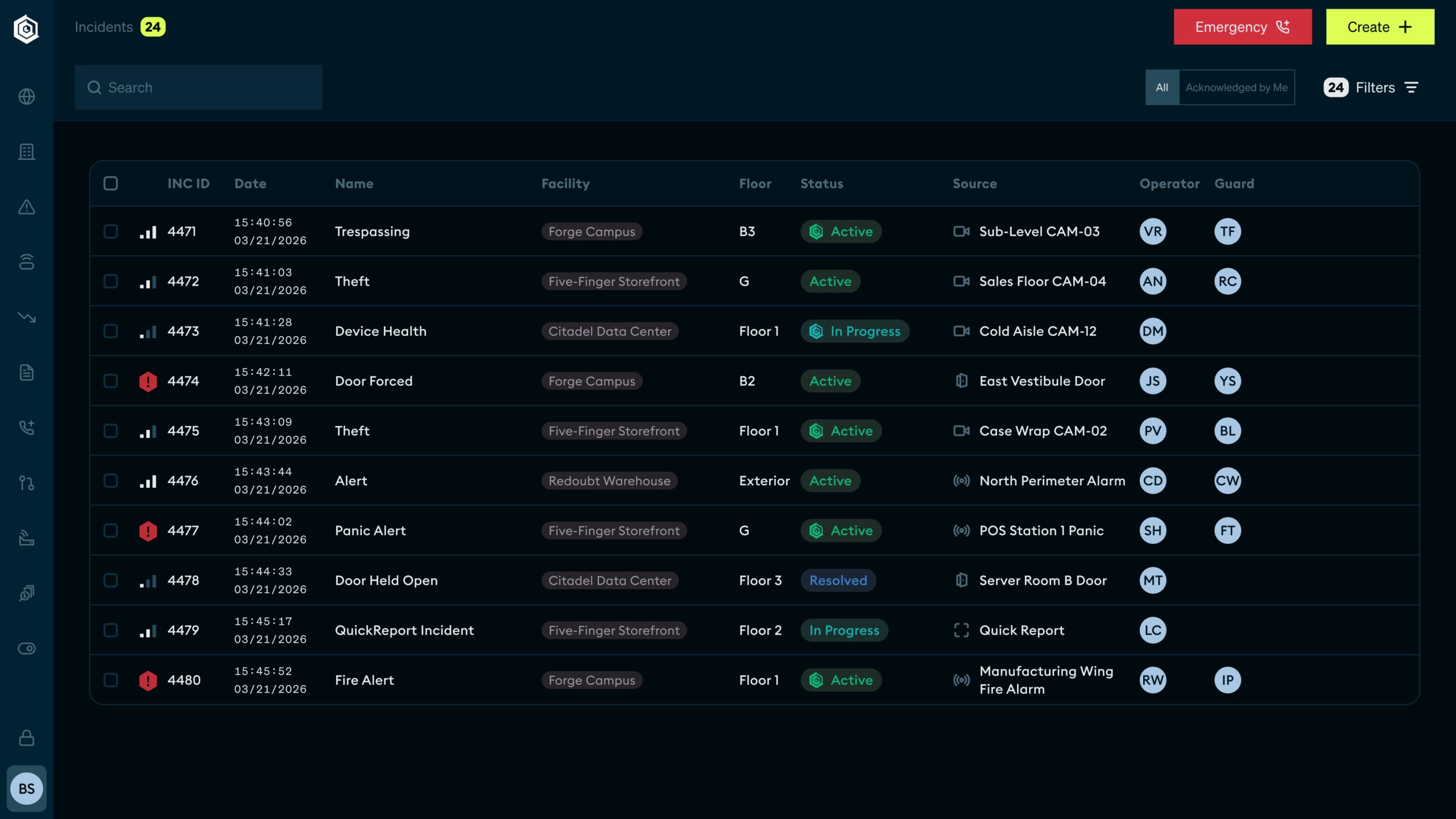
These come up in almost every conversation we have with utilities and energy companies. If one of them is on your mind, it’s a great place to start when we meet.
Alarms that bury the real thing
Door forced, camera trouble, a sensor tripped by the weather. When hundreds of alerts land in a day, operators end up clearing them just to keep up, and the one that matters gets lost in the pile.
Big footprints, small teams
A handful of people covering hundreds of substations, yards and remote sites, many of them unmanned. When something happens at 2 a.m., there’s nobody nearby to see it.
Too many screens for one incident
Access control in one system, video in another, dispatch over the radio and the report in a spreadsheet. Showing how fast your team responded can take longer than the response did.
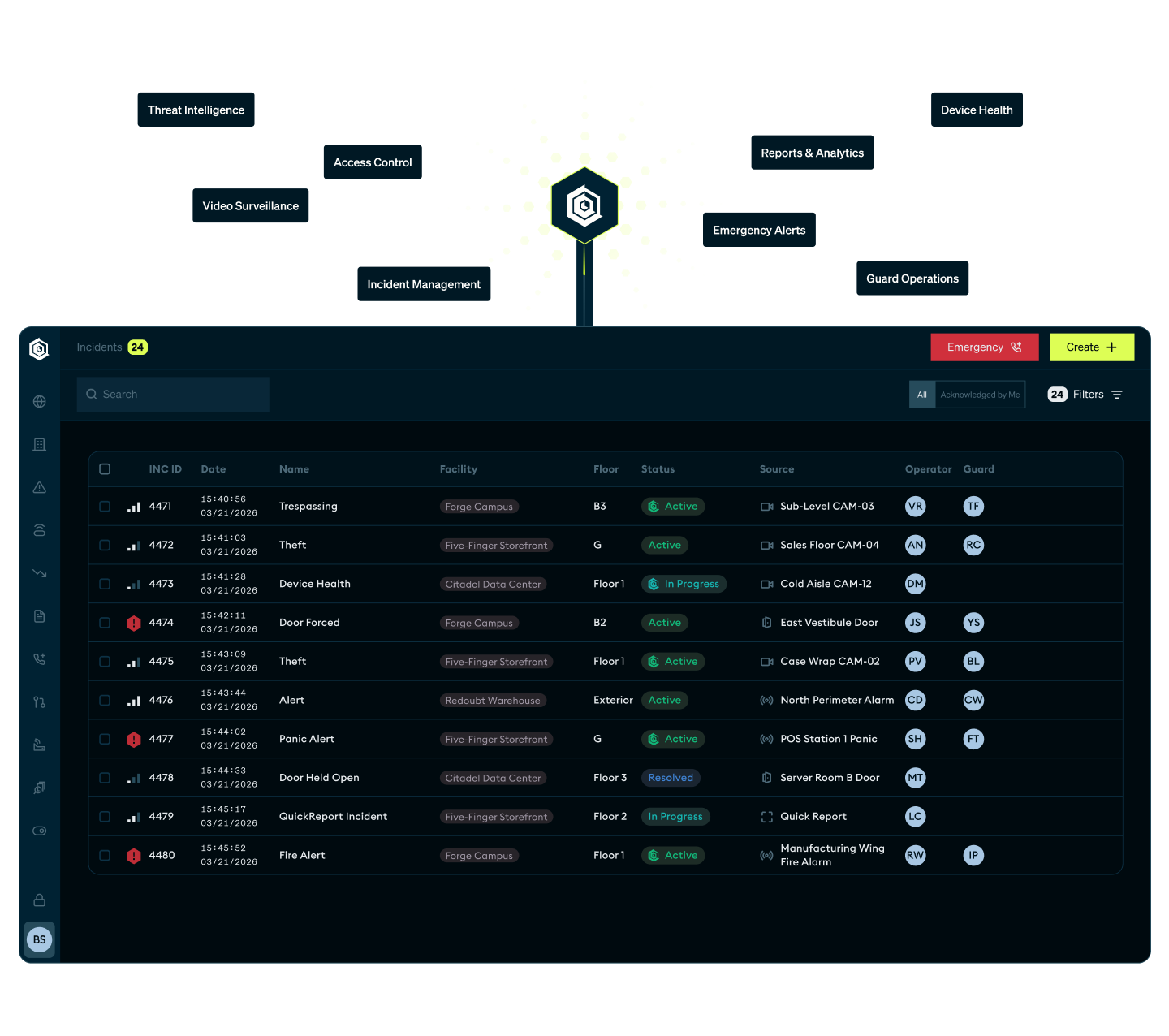
HiveWatch connects the cameras, access control and alarm systems you already have, so there’s nothing to rip out and replace. AI handles the routine events that don’t need a person, and your operators get the full picture of an incident on one screen with clear steps for what to do next.
We know what that work is like because we do it ourselves. HiveWatch runs its own 24/7 operations center, the same team that kept watch over those telecom sites every night. That’s also why every alarm is timestamped from the moment it’s acknowledged to the moment it’s resolved, so you have clean records for audits, risk reviews and the budget conversation.
If you’re working within a restricted grid network, we’re happy to talk through your deployment requirements first. And if turnover, nuisance alarms or getting leadership on board are on your mind, we’ve been there too. Come trade notes with us at booth #704.
We'd still love to hear about your sites. Grab a time with our team and we'll set up a conversation that fits your schedule.