The State of Physical Security Operations in 2026
2026 Benchmark: 81% of teams miss their own SLAs. See where you stand.
From first alert to final report, in one place.
Most security teams manage incidents across a tangle of systems: one for access control alarms, another for video, a separate process for dispatching guards, a different tool for documentation, and a phone call to reach 911. Every handoff is a gap. Every gap costs time.
HiveWatch closes all of it: detection, triage, response, communication, and case management, without ever asking your operators to leave the platform.
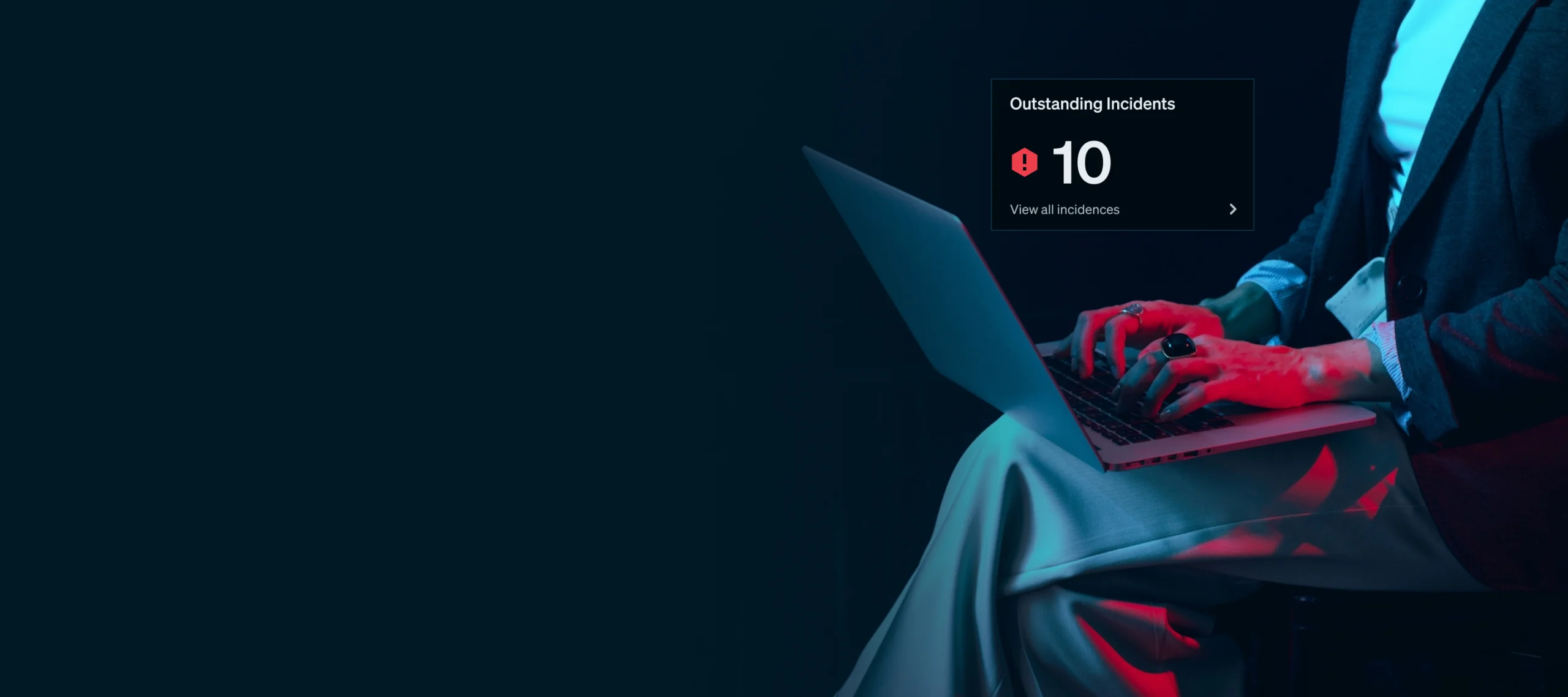
The HiveWatch AI Operator monitors your environment, assesses incoming alerts, and determines what needs immediate attention. When something warrants a response, it generates response notes with context already attached and prioritizes it so the operator receiving it isn’t starting from zero.
Less time sorting through noise. More time acting on what matters.
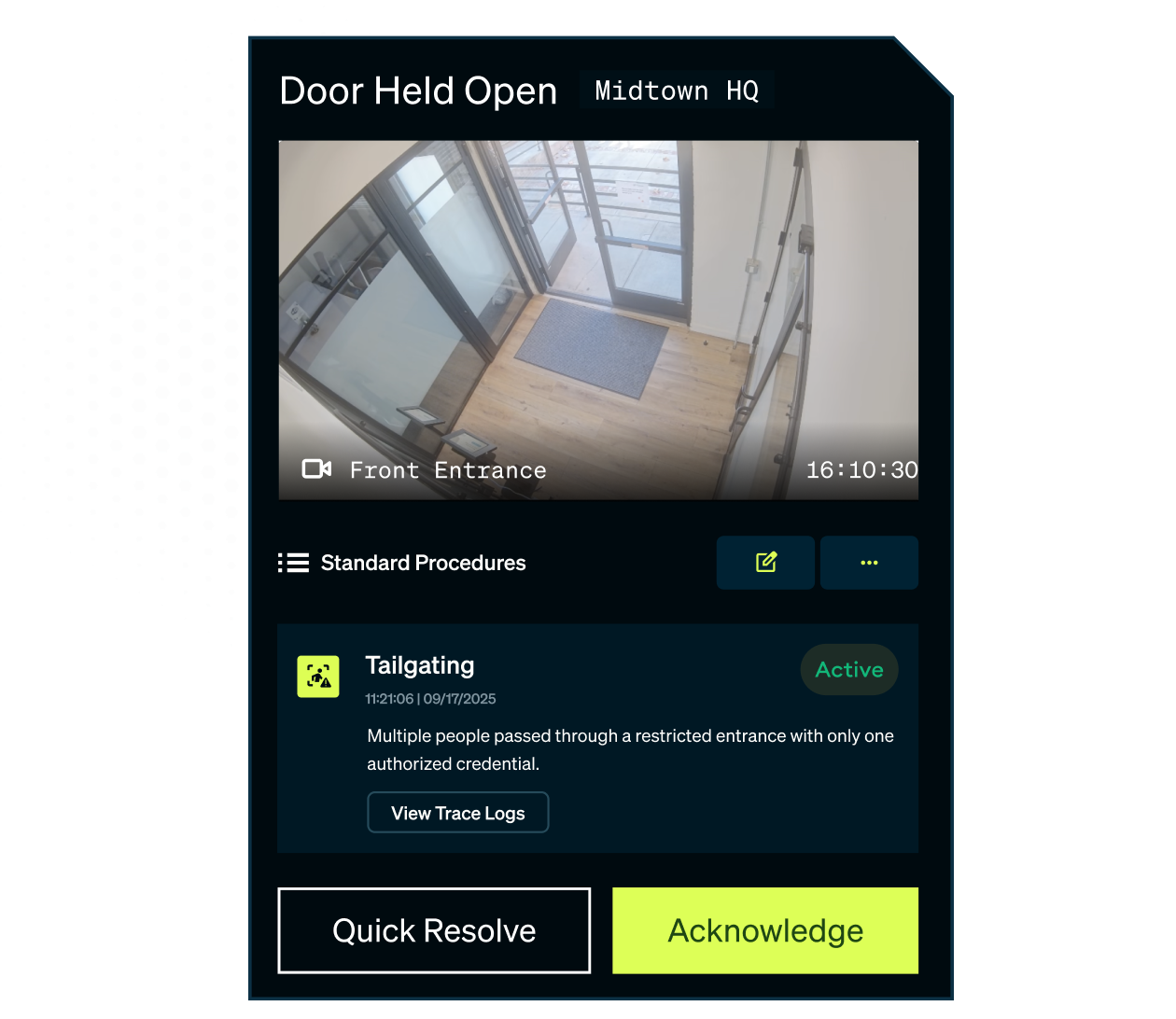

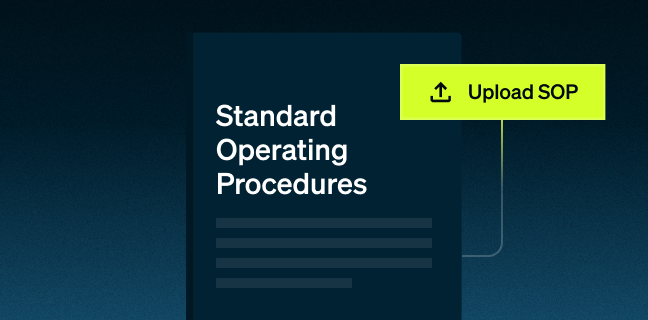
HiveWatch embeds your standard operating procedures directly into the incident workflow. When an event triggers, the relevant SOP surfaces alongside it, step-by-step, in real time, no hunting through shared drives or a dusty notebook required. Every response is guided, consistent, and documented as it happens.
It also shortens the onboarding curve. When best practices are built into the platform, new operators get up to speed faster.
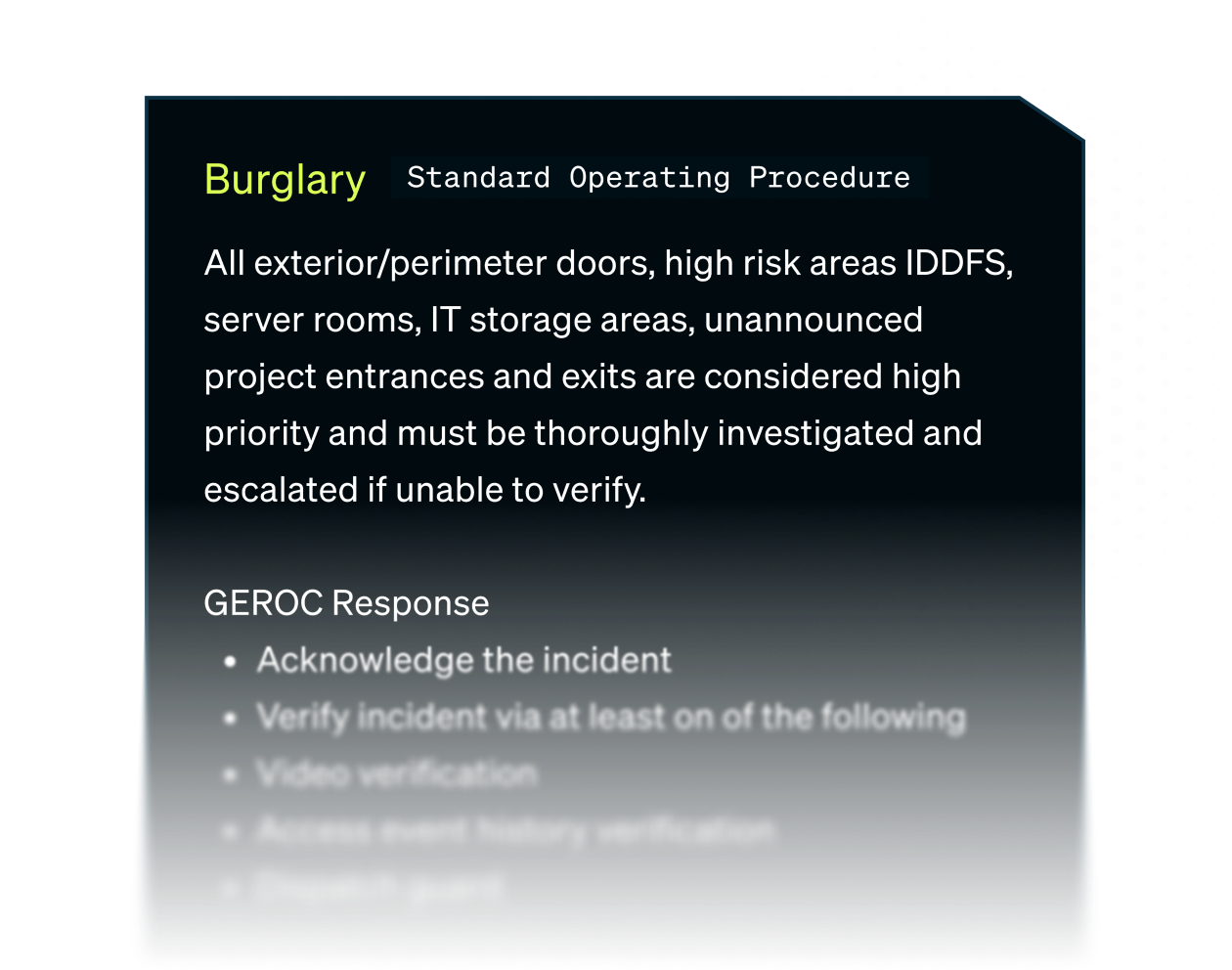
When a real incident occurs, your team shouldn’t be digging through noise to find it. They should already be moving. The platform intelligence learns your systems, identifies what’s real, and surfaces the incidents that require a human response, with full context already attached and a guide on what to do next.
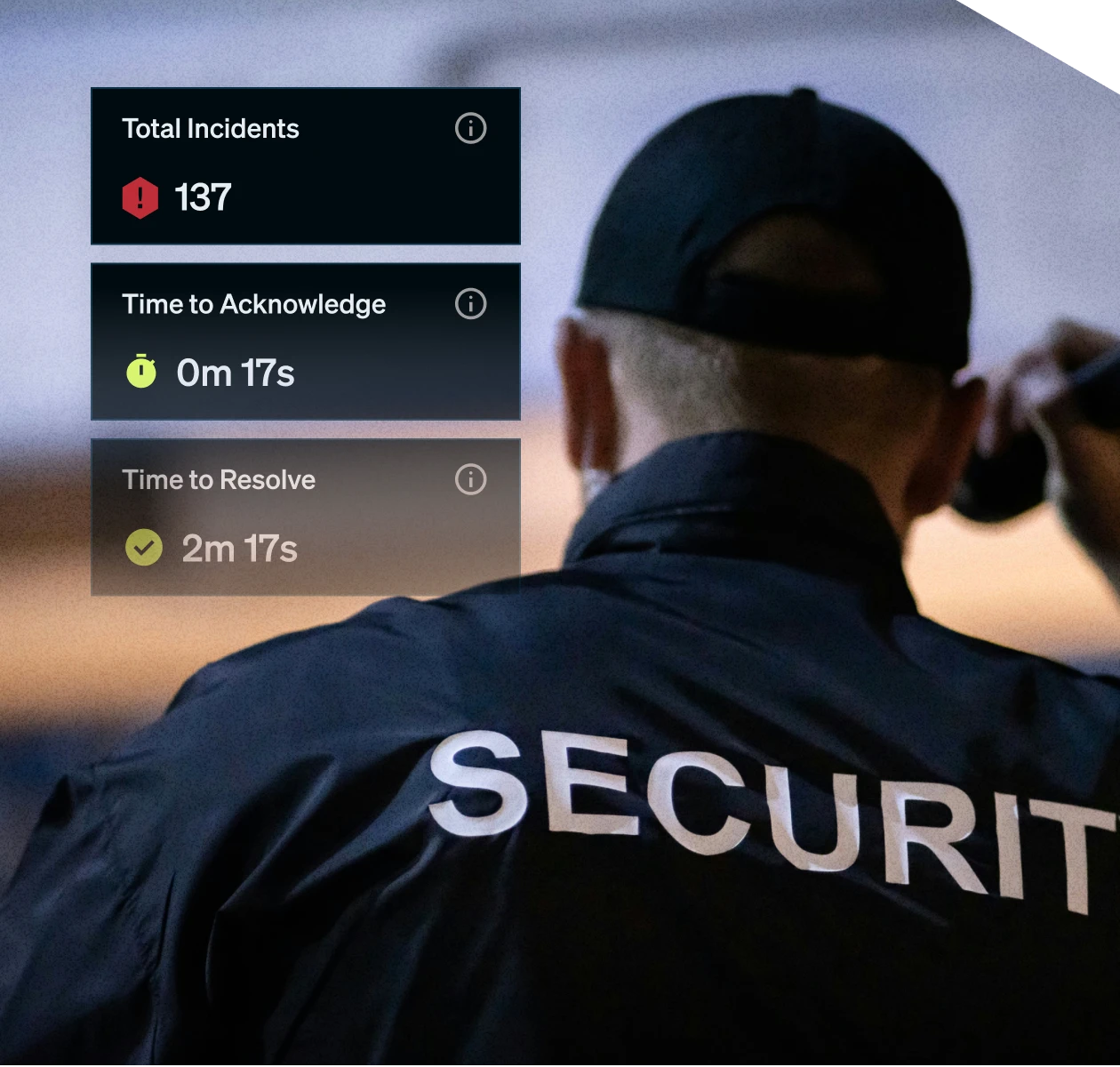
The result: faster acknowledgment, faster resolution, and a team that responds with certainty instead of doubt.
Because the difference between a two-minute response and a fifteen-minute one isn’t just operational, it’s the difference between containing an incident and explaining one.
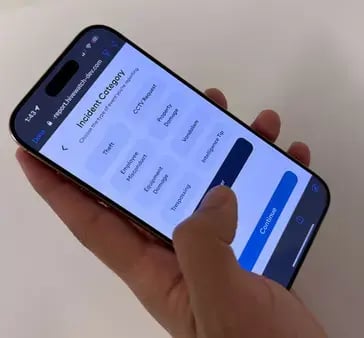
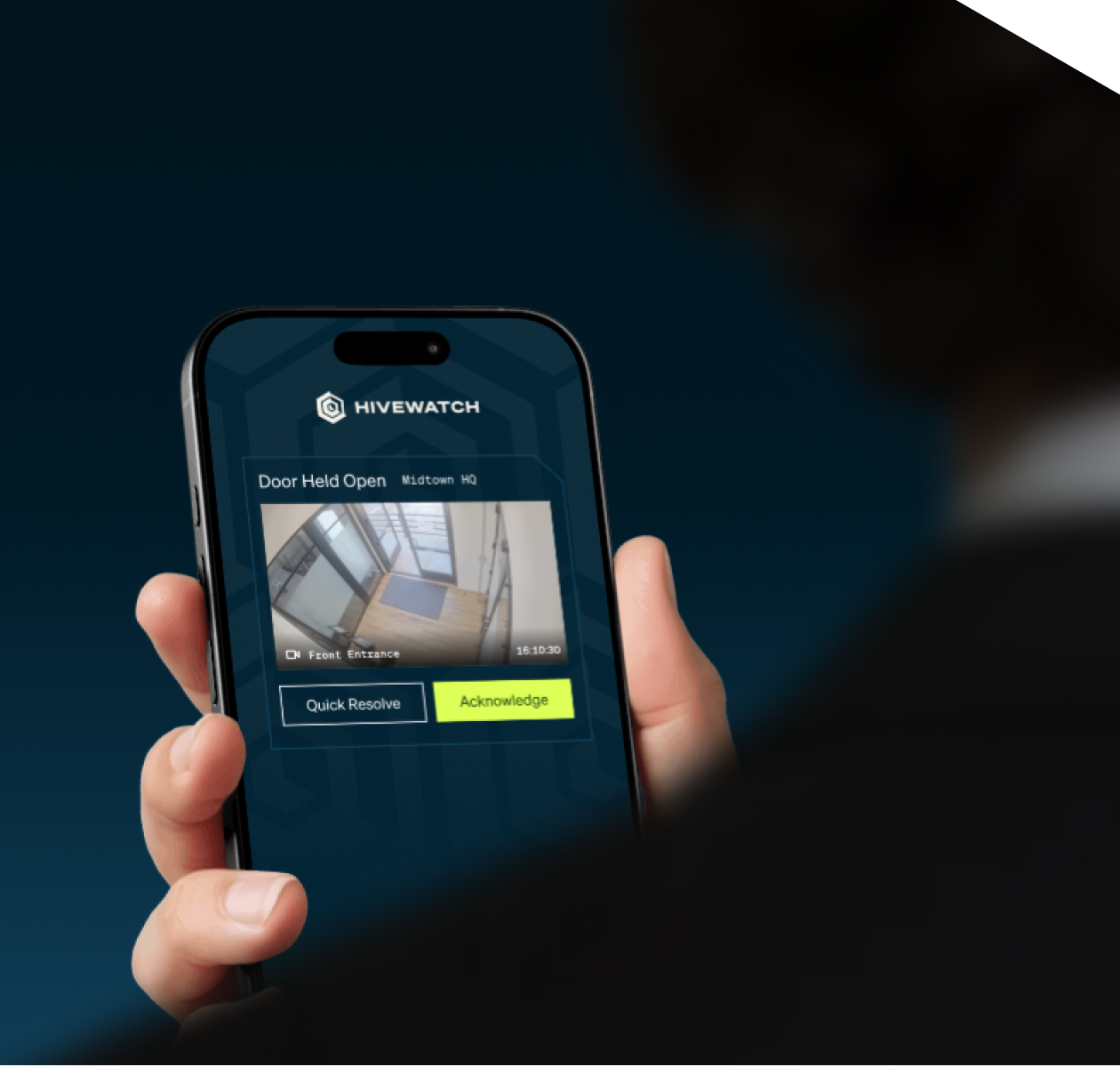
The Guard Mobile App puts field resources in direct communication with the GSOC, with full incident context, relevant video, voice messages, and real-time situational awareness. Guards can see what’s happening near their post and which officers are already responding.
From the field, they can:
Operators in the GSOC can take this information and dispatch emergency responders directly from the platform. Performance data, such as response times, incidents handled, shift activity, flows back into the platform to help supervisors refine program design.
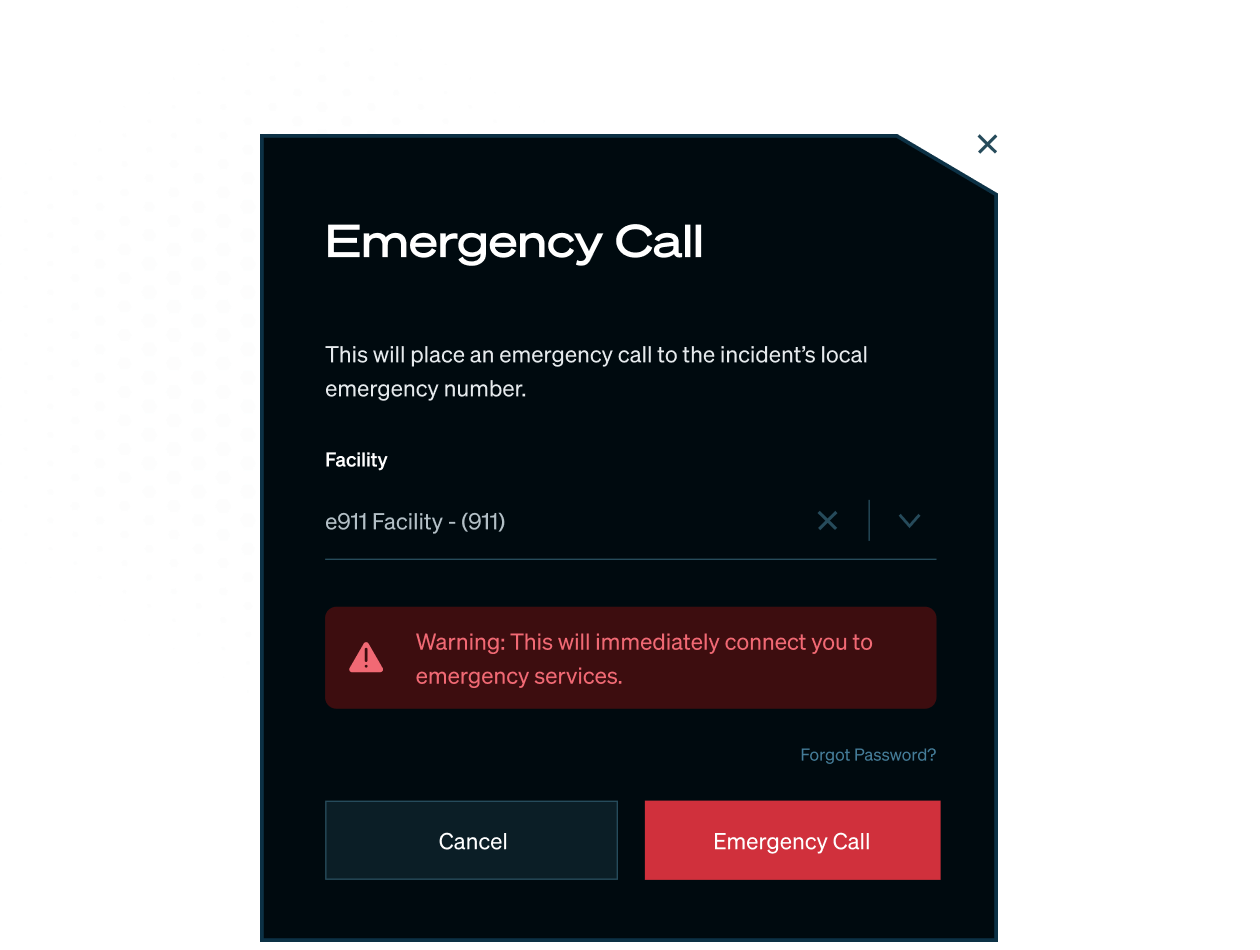
When an incident escalates, operators can call 911 directly from the platform. The call routes to the correct jurisdiction based on incident location automatically — no tracking down the right dispatch center under pressure. A configurable callback number ensures continuity if the call drops, and every emergency call is logged with time, operator, duration, and facility for a complete record.
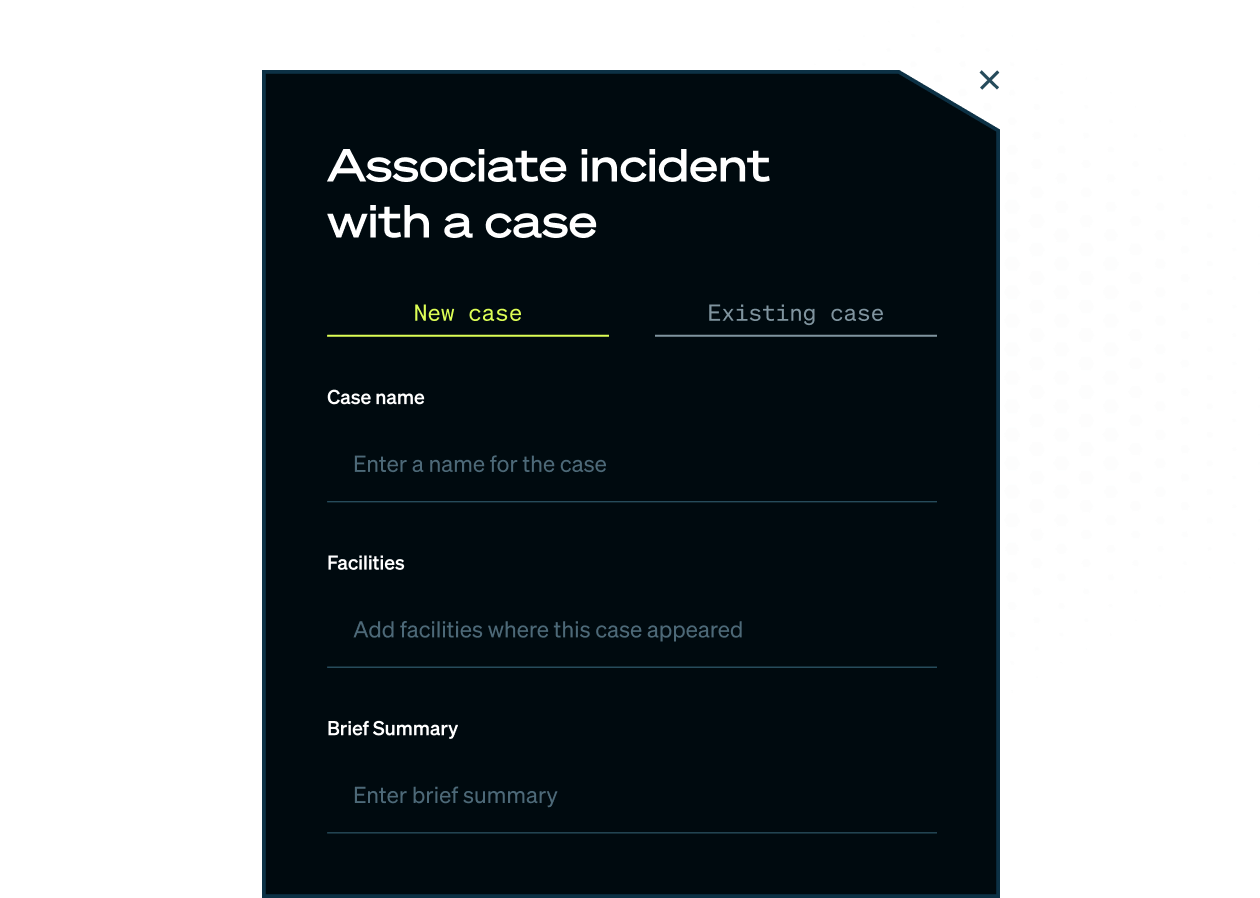
HiveWatch Case Management gives security teams a centralized place to track incidents, attach media, associate people and locations, and build a complete record for review, reporting, or investigation. Cases can be created from incidents or built independently, with customizable categories to fit the organization’s needs.
For teams that need more robust investigation capabilities, HiveWatch’s strategic partners, such as Ontic, provide a deeper layer of case management and intelligence — purpose-built for complex, ongoing investigations.
Experience the future of AI-driven security operations.